You can walk into a watch party without knowing who’s playing and still have a pretty good idea of what’s on the table.
Wings. Nachos. A bowl of dip with a suspiciously large dent in one side.
But how did those foods become part of watching sports?
The history of game day food runs through ballpark concession stands, Buffalo bars, and home kitchens. Along the way, foods that were easy to serve, share, and eat while watching became traditions of their own.
And one of them gave us a particularly good excuse to put almost anything on a tortilla chip.
Ballparks helped write the first game-day menu
Long before the living-room watch party, stadium vendors had a practical problem: feeding people whose attention was somewhere else.
Concession pioneer Harry M. Stevens built a business around serving sports fans hot dogs, peanuts, sandwiches, and drinks. His approach recognized that someone watching a game needed food they could manage from their seat. The Baseball Hall of Fame documents how his concessions helped shape the modern ballpark experience. Read the history of Harry Stevens.
That practicality still makes sense at home. A plate you can balance on your knee has an advantage when the couch is full. So does food you can grab without asking someone to pause the game.
How Buffalo wings became football food
The best-known Buffalo wing origin story starts at Anchor Bar in Buffalo, New York.
According to the restaurant, Teressa Bellissimo served fried chicken wings with her sauce to her son and his friends in 1964. The late-night snack became a signature dish. Read Anchor Bar’s account.
Their connection to football developed later.
The National Chicken Council points to two changes that came together in the 1980s: growing demand for boneless chicken breasts made wings an inexpensive option, while sports bars were adding televisions and satellite programming. Wings were affordable, shareable, and easy to order alongside a pitcher of beer. Read about chicken wings and football.
It was a good arrangement for a table of people planning to stay awhile.
Order a basket. Watch a quarter. Debate the call. Order another basket.
Nachos came from Mexico before they reached the stadium
Nachos weren’t invented at a concession stand.
Their story begins in Piedras Negras, Mexico, in 1943. Ignacio “Nacho” Anaya put together tortilla chips, cheese, and jalapeños for a group of visiting American military wives. The dish took his nickname and eventually found an audience on both sides of the border.
The stadium version arrived decades later. In 1976, concessionaire Frank Liberto introduced nachos at Arlington Stadium, home of the Texas Rangers. A cheese sauce that could be served quickly helped make the dish practical for a busy concession stand.
By 1978, nachos were being served at the Dallas Cowboys’ stadium. According to Liberto’s son, broadcaster Howard Cosell’s enthusiastic mentions on Monday Night Football helped introduce them to a wider audience. Read Smithsonian’s history of stadium nachos.
A dish assembled for a small group of hungry visitors had become something people lined up for between innings.
Chips and dip made hosting easier
Chips and dip had another advantage: you could put them on the table before anyone arrived.
By the late 1950s, Lipton was promoting California Dip, made with its onion soup mix and sour cream. The Hoboken Historical Museum preserves a recipe booklet from around 1958–1960 showing how the company marketed the combination. See the original California Dip booklet.
That kind of convenience is easy to appreciate when you’re hosting. Open a bag, set out a bowl, and you have something people can eat while the rest of dinner catches up.
Today, the Smithsonian includes chips, dips, and spreads among the familiar foods associated with the Super Bowl. Explore Smithsonian’s Snack Nation.
The dip might change from house to house. The person hovering over it usually doesn’t.
Nachos leave room to get creative
Of all those game-day favorites, nachos give you plenty of room to make something your own.
Chips, cheese, and jalapeños are a good starting point. From there, you can borrow flavors from barbecue, buffalo wings, a pot of chili, or whatever you cooked the night before.
A tortilla chip is a pretty fantastic vessel. It gets the meat, cheese, sauce, and something pickled into the same bite—and you can change the whole direction without rebuilding your menu.
A few nacho topping ideas to get you started:
- Barbecue: Pulled pork, cheddar, pickled red onion, and a little barbecue sauce. Add the onions after heating so they keep their bite.
- Buffalo chicken: Shredded buffalo chicken, Monterey Jack, scallions, and a light drizzle of ranch. Try Vaca Classic Ranch underneath for another layer of ranch flavor.
- Chili cheese: Thick chili, melted cheddar, diced onion, and jalapeños. Vaca Cowboy Queso would be a fun place to start.
- Roasted corn and black beans: Corn, black beans, pepper Jack, avocado, cilantro, and a squeeze of lime. Add the avocado and lime just before serving.
You don’t need to pile everything on at once. Spread the chips out, distribute the warm toppings, and finish with the cold ingredients afterward. Keep extra salsa and sauces alongside the tray so everyone can add their own.
And think about the chip itself. A seasoned chip changes the bite before you’ve added a single topping.
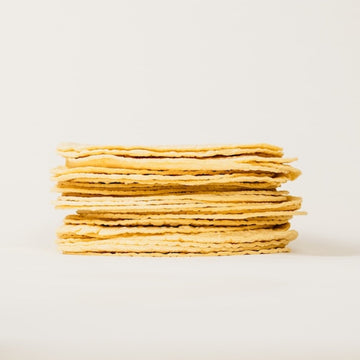
Our Vaca Original tortilla chips are made with organic corn, beef tallow, and Redmond Real Salt. They’re an easy starting point when you want to take the toppings in your own direction.
The game-day menu has been changing for decades. There’s room for your version, too.
Bring out a tray, pass the napkins, and make sure the person who cooked gets a few good chips before everyone else finds them.